Learn music theory by playing
Mozart Match turns beginner music theory into small actions: read a note, hear the sound, answer, repeat and win. The lesson gives the reference point; the game builds the reflex.
Why learn through games?
Music theory becomes easier when a child or beginner immediately sees what the concept is for. A note on the staff is no longer an abstract symbol: it becomes a sound, an answer, a movement and a small victory.
- Short repetition builds memory without making practice heavy.
- Instant feedback corrects mistakes at the right moment.
- Piano sound connects the written note with the heard note.
- Mascots make practice feel less academic and more engaging.
The recommended path
Each step starts with a simple idea, then sends the learner to a game or exercise.
Understand the staff
See lines, spaces and the note order before playing.
Read the lesson 2. AnswerLearn with Notey
Notey moves on the staff and the player finds the correct note.
Launch Notey 3. ClefTreble clef
Practice the most useful notes for beginner music reading.
Play 4. Low notesBass clef
Understand low notes and left-hand reference points on piano.
Learn 5. RhythmRead note values
Understand whole notes, half notes, quarter notes, eighth notes and pulse.
See rhythm 6. EarHear the notes
Complete note reading with ear-training exercises.
Train your earThe Mozart Match mini-method
- Look: notice whether the note is on a line or in a space.
- Name: say or click C, D, E, F, G, A or B.
- Listen: hear the note and build a sound connection.
- Replay: repeat a few notes without chasing speed at first.
- Change game: move from Notey to Cascade, then rhythm or ear training.
Related free games
The games vary the practice while keeping the same goal: read, hear and understand music.
Free music theory game
Choose quickly between notes, rhythm, ear training, treble clef and bass clef.
See games ArcadeCascade
Read notes quickly in a more dynamic experience.
Play KidsMozart Match Kids
A softer world for children, with mascots and short games.
See games RhythmRhythm game
Practice pulse and note values without staying in theory only.
Practice ExercisesMusic theory exercises
Review note reading, rhythm and ear training in a broader path.
Open InstrumentChromatic harmonica
Connect written notes with a real instrument and tabs.
Discover ParentsMusic theory for kids
A simple path for practicing 3 to 5 minutes a day.
ViewA complete world, not just a lesson
Note reading, rhythm, ear training, kids games, singing and harmonica: each entry gives learners a different reason to come back.
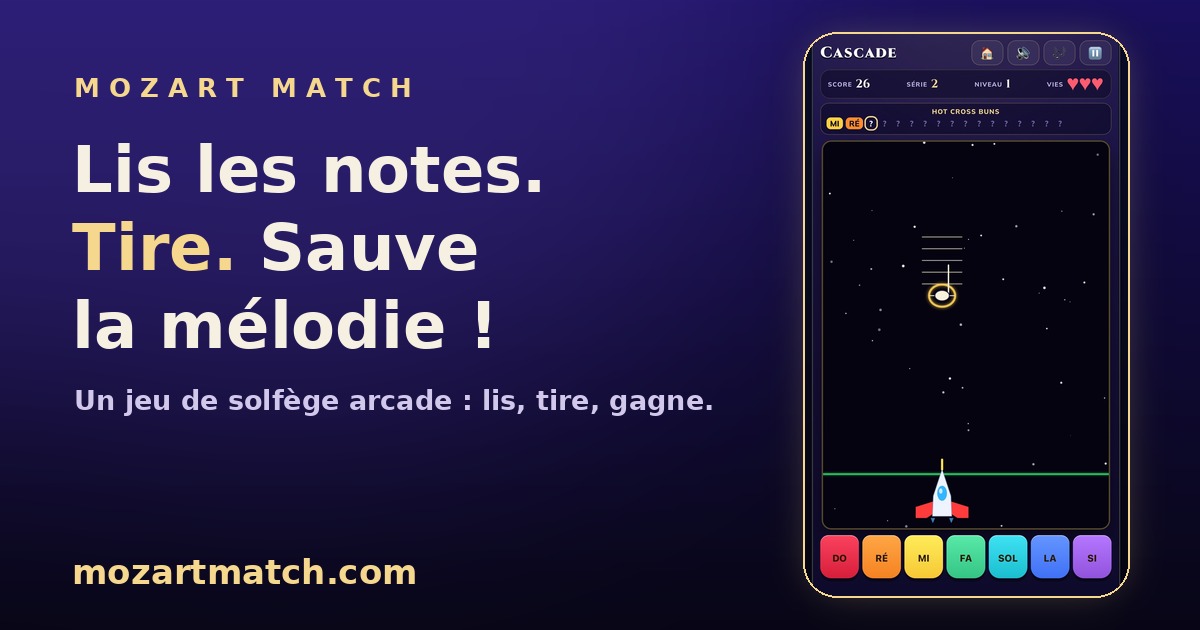
The direct doorway to the main playable exercises.
See games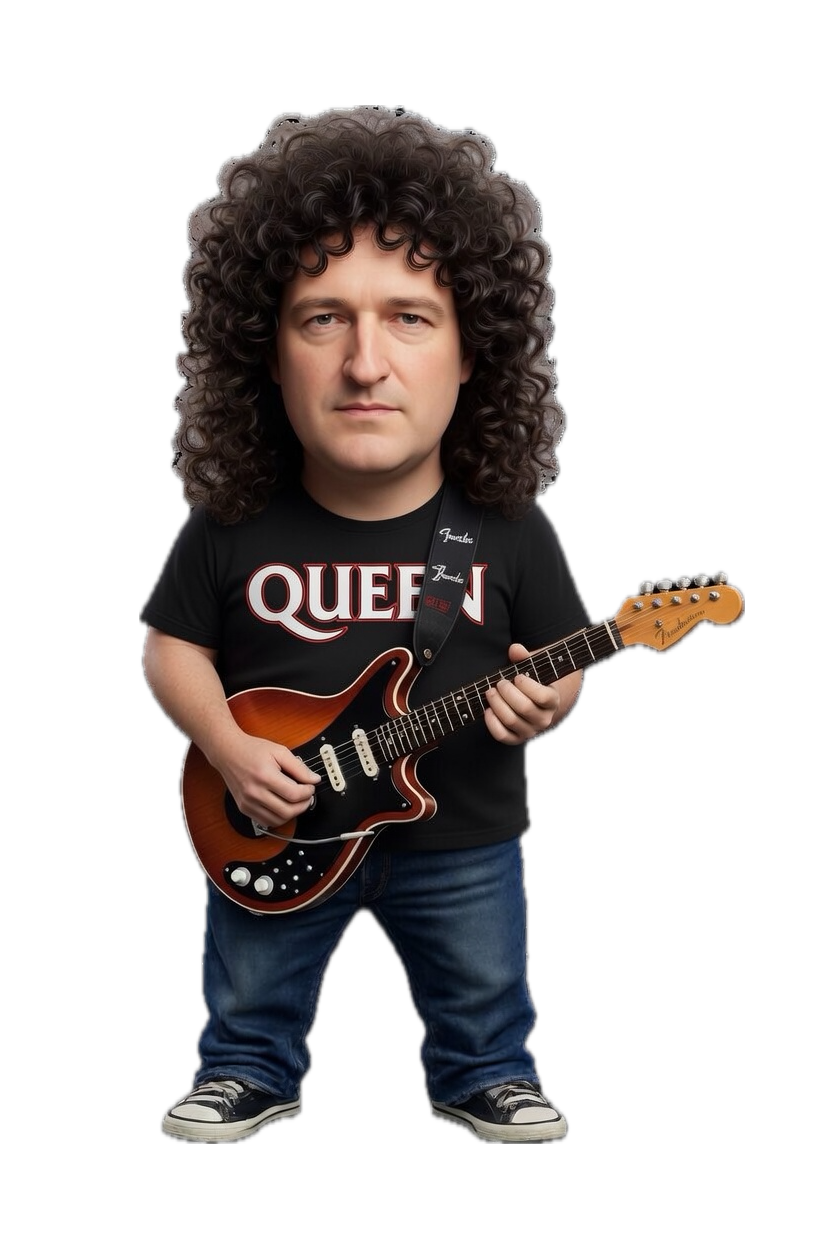
Practice pulse, note values and rhythmic reflexes with Brian and Slash.
See rhythm
Hear notes, recognize them and connect sound with music reading.
Train your ear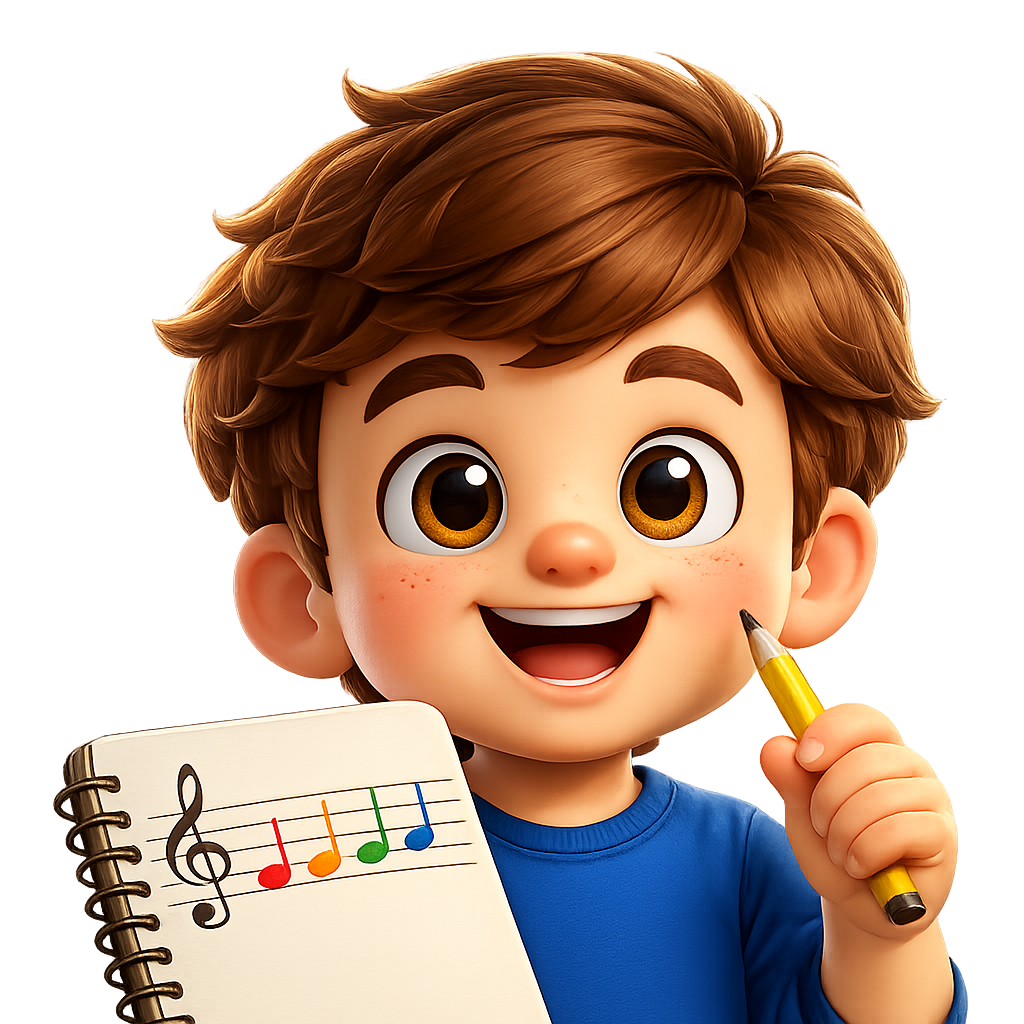
Short, visual games that are easy to replay often.
Open Kids
Connect music theory with chromatic harmonica notes and tabs.
Discover
Move from written notes to voice and active listening.
SingRhythm and ear training: the two essential complements
Reading notes is not always enough. To really progress, learners also need to feel time and recognize sounds. Mozart Match connects these three reflexes in one path.
- Rhythm helps you play at the right moment, not only name the note.
- Ear training helps you understand what you read and remember pitch.
- Short games make it easy to alternate reading, listening and pulse without fatigue.
For parents and teachers
This approach works well as a short activity: one idea, a few attempts, then a break. It does not replace a full music lesson; it makes reading more automatic and motivating.
- At home: a 5-minute session is enough to build a reflex.
- In class: a game can become a warm-up or quick review.
- For adult beginners: play reduces the fear of making mistakes.
- For kids: Notey and Mozart Junior give the exercise a friendly face.
Learn music theory by playing FAQ
- Can I learn music theory on my own? Yes, especially with short lessons, sound and repeated exercises.
- What age can kids start? Very simple exercises can start around age 5 or 6 if sessions stay short.
- Are games enough? They help automate skills, but a clear explanation is still useful.
- How long should practice last? Regular 5 to 10 minute sessions are better than rare long sessions.
- Do I need a piano? No, but hearing piano notes helps build the ear.